Phawngpui
The Mountain the Locals Ask Permission to Climb
Mizoram, India
Scroll to BeginLocation
Phawngpui National Park, Lawngtlai district, Mizoram
Best time to visit
November to March, when the cloud sits below the ridge
How to reach
Aizawl to Lawngtlai by road, then a rough hill drive to Farpak; the summit is a gentle walk from there
The Mystery Begins
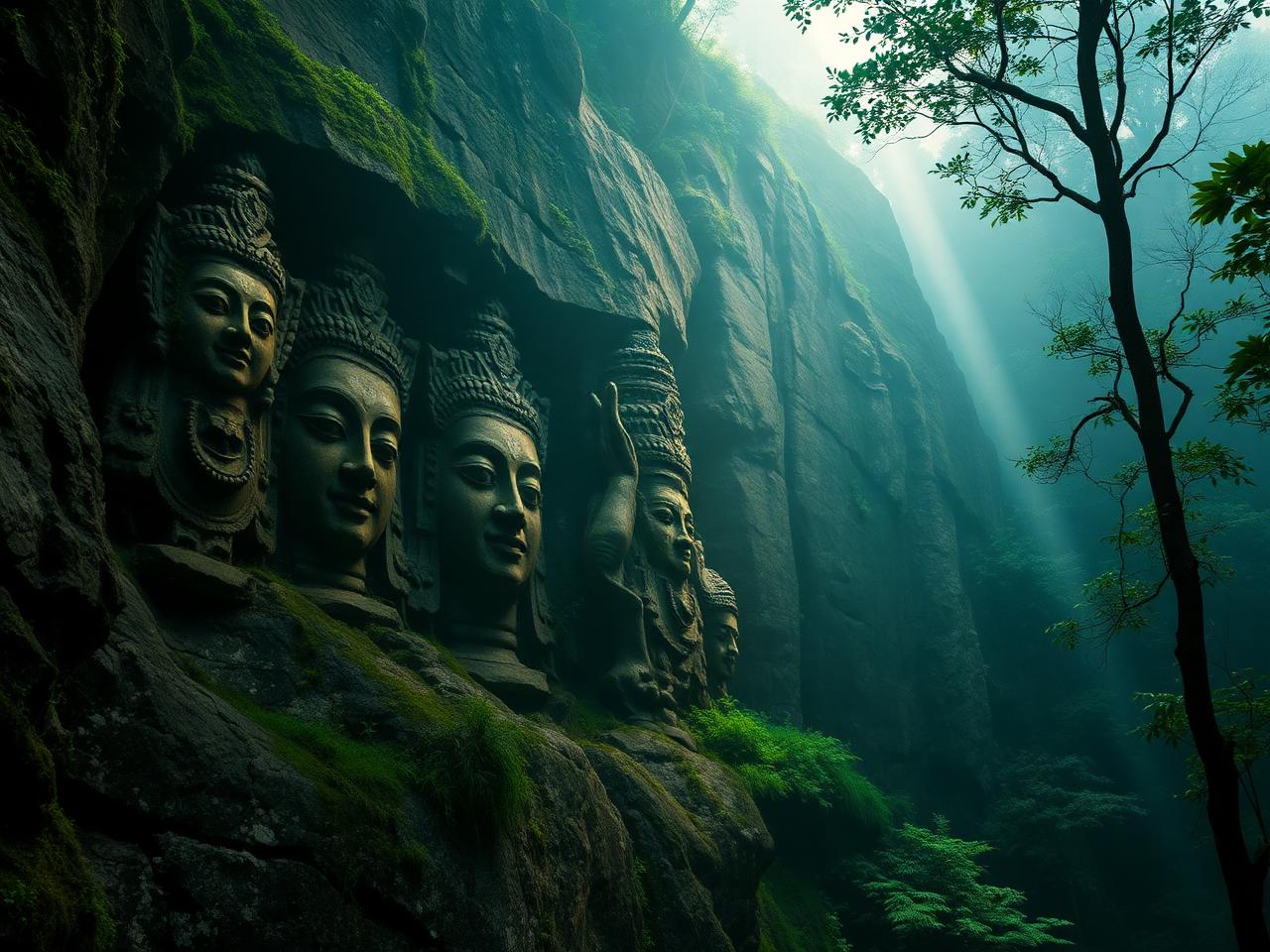
Mizo elders will tell you the mountain is inhabited. Not by animals — by something older. Break a branch here, they say, and the weather will answer you within the hour.
Introduction
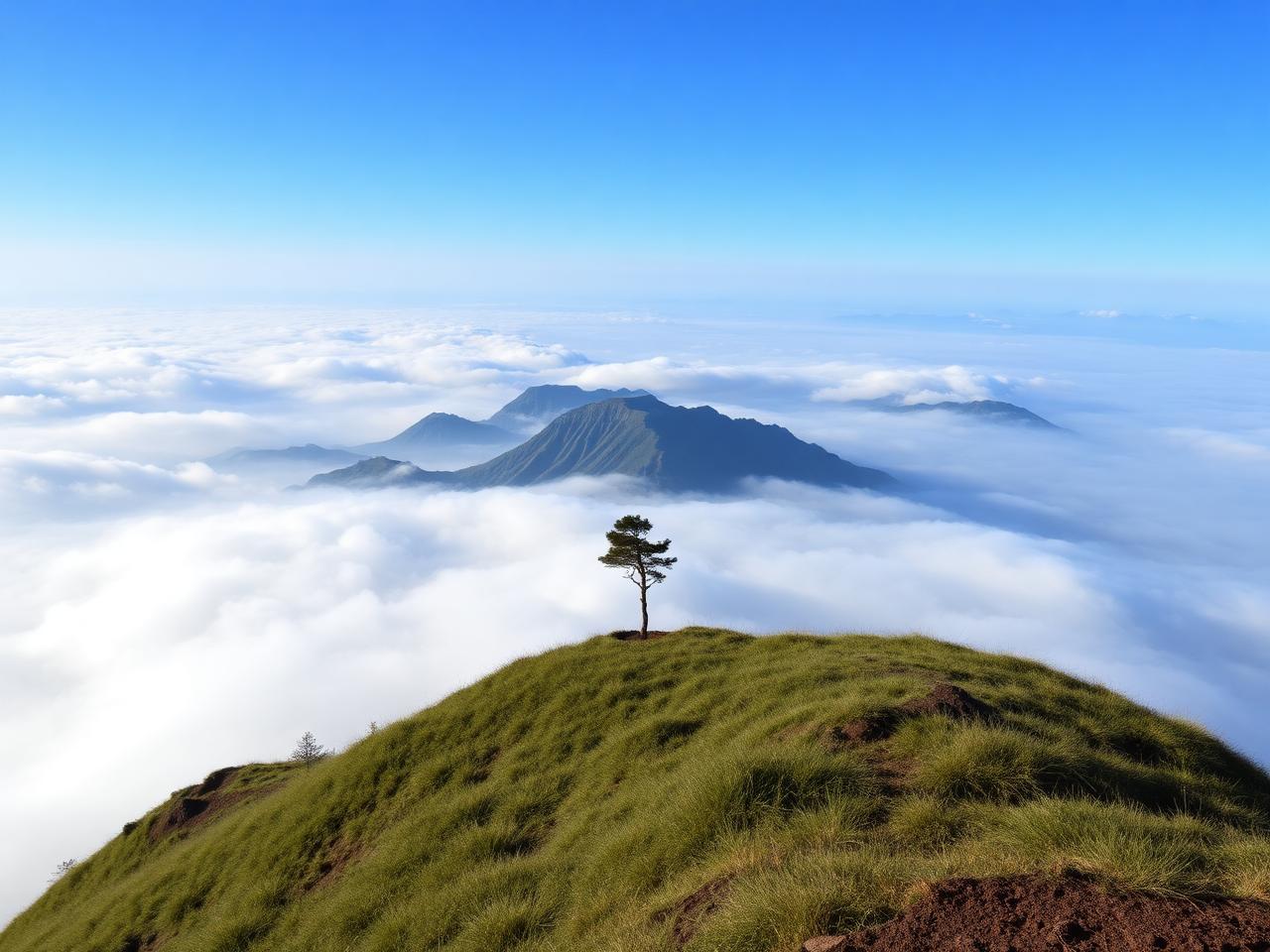
At 2,157 metres, Phawngpui is the highest point in Mizoram, and it does something strange in the late afternoon. The whole range turns blue. Not hazy — blue, as if the air itself has changed material.
The summit is not rock. It is a wide, soft meadow of grass and wild rhododendron that ends without warning at a 1,000-metre cliff into the Chhimtuipui river gorge.
Stand at that edge and Myanmar is in front of you, cloud is beneath you, and there is no sound at all.
A Little Deeper
Phawngpui means 'great meadow'. Mizo tradition calls it the home of the spirits — a place people historically entered with care, taking nothing and leaving nothing.
That belief did the work of a conservation law long before one existed. The forest below is intact enough to hold clouded leopards, serow, gorals and the Blyth's tragopan, a pheasant most birders never see.
The cliff face, called Thlazuang Khàm, appears in a story about a woman who leapt from it. Guides tell it slowly, and they tell it at the edge, which is the point.
Few outsiders come because reaching Lawngtlai takes two hard days from anywhere, and because the region requires an Inner Line Permit that most travellers never think to apply for.
Did You Know?
The meadow blooms with wild orchids and rhododendrons that grow nowhere else in Mizoram — and no permanent structure has ever been allowed on the summit.
Explorer's Note
Some places aren't unforgettable because of the view. They're unforgettable because they are still treated as sacred by the people who live beneath them.
But here's the real mystery — why does every family in these hills still ask the mountain before they climb it?
Explore Another Hidden Story →