About Godestinaut
We chase the India
nobody photographs.
A thousand-year-old temple cluster with no signboard. A bamboo trail locals cross barefoot. A beach that turns into a turtle nursery for three weeks a year. This is where we spend our time.
Why we exist
India has around a million stories. Travel media keeps retelling the same twenty.
Godestinaut started from a simple irritation: every search for “places to visit in India” returns the same handful of names, photographed from the same angle, described in the same words. Meanwhile, entire valleys, carvings and coastlines sit outside the frame — not because they're unremarkable, but because nobody bothered to write them down properly.
So we do that. One place at a time, in long form. We dig into how it was built or how nature shaped it, what people believe about it, who still tends to it, and what it actually takes to stand there yourself.
The name is a promise more than a word — go, destination, astronaut. Exploring your own country like it's an undiscovered planet.
What we stand for
Four rules we don't break.
We go where the maps go quiet
No monuments you've already seen on a postcard. We look for the places locals mention once, quietly, and then change the subject.
Stories, not listicles
Every destination is written like a documentary script — a hook, a history, a legend, and an honest ending. No filler, no travel-agency adjectives.
Atmosphere over itinerary
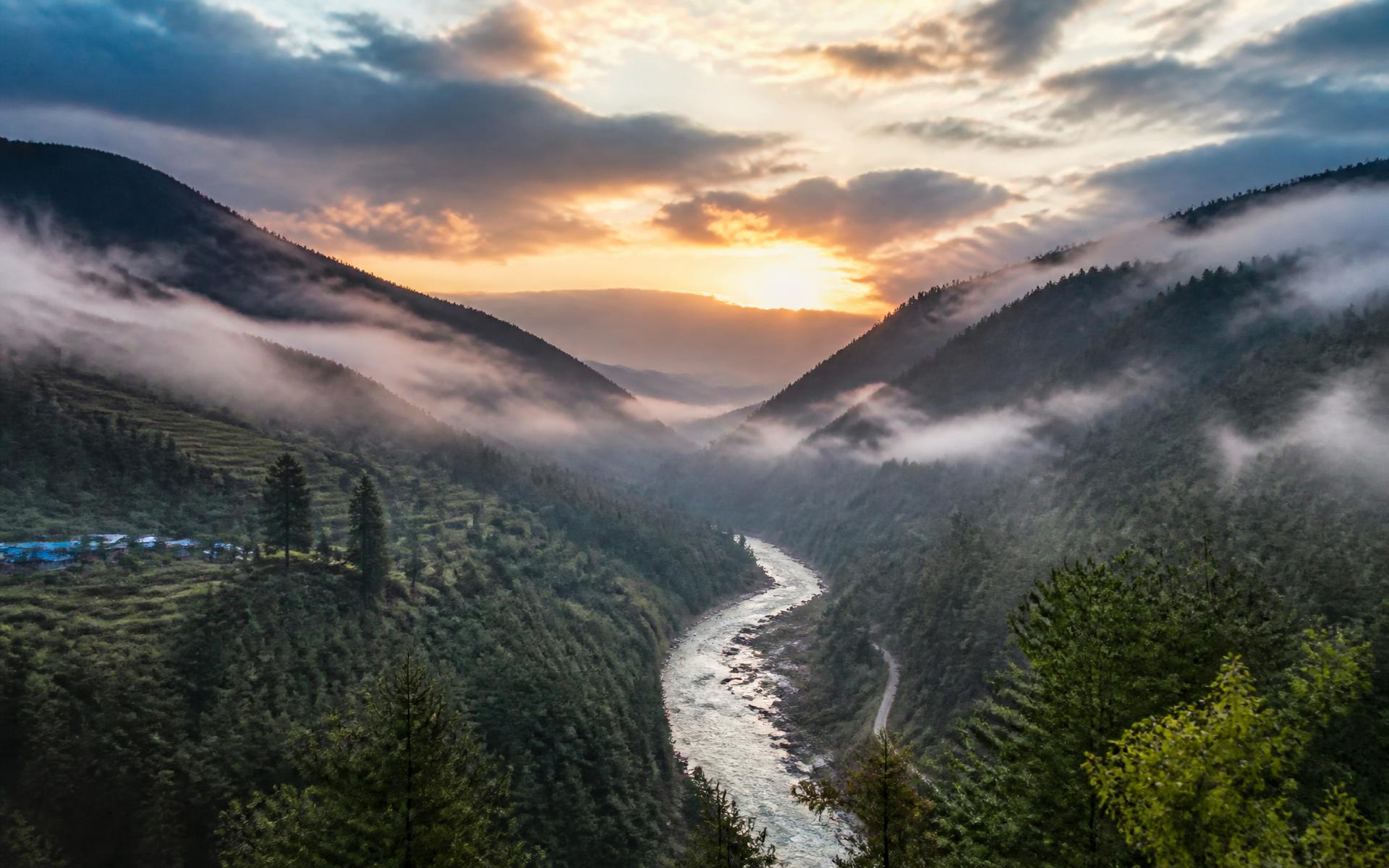
We care how a place feels at 6 a.m. in the fog, not how many stars it has. Facts stay practical; the writing stays cinematic.
Respect for the place
Hidden means fragile. We share what the story deserves and leave out what would ruin it — and we always name the people who keep it alive.
How a story is made
From a rumour to a published page.
- 01
The rumour
A line in a district gazetteer, a forum comment, a photograph with no caption. Anything that suggests something is there.
- 02
The dig
Archaeology reports, oral legends, local news in regional languages, and long conversations with people who grew up nearby.
- 03
The ground truth
Access, seasons, permits, the last bus, whether the trail is passable in monsoon. The unglamorous part that saves your trip.
- 04
The story
Written as a documentary: mystery first, history second, honesty last. Then the practical facts, so curiosity can become a plan.
Know a place that deserves a story?
Most of our best finds came from someone saying, “there's this temple near my village…”. If that's you, we'd genuinely like to hear it.